2026-06-22
What to Wear and Bring for a Tokyo Go-Kart Tour
A quick, practical packing list for a Tokyo street go-kart tour: the shoes that are non-negotiable, what to leave at the hotel, and the documents you cannot drive without.
 By Mia Nakamura, licensed Tokyo guide since 2022
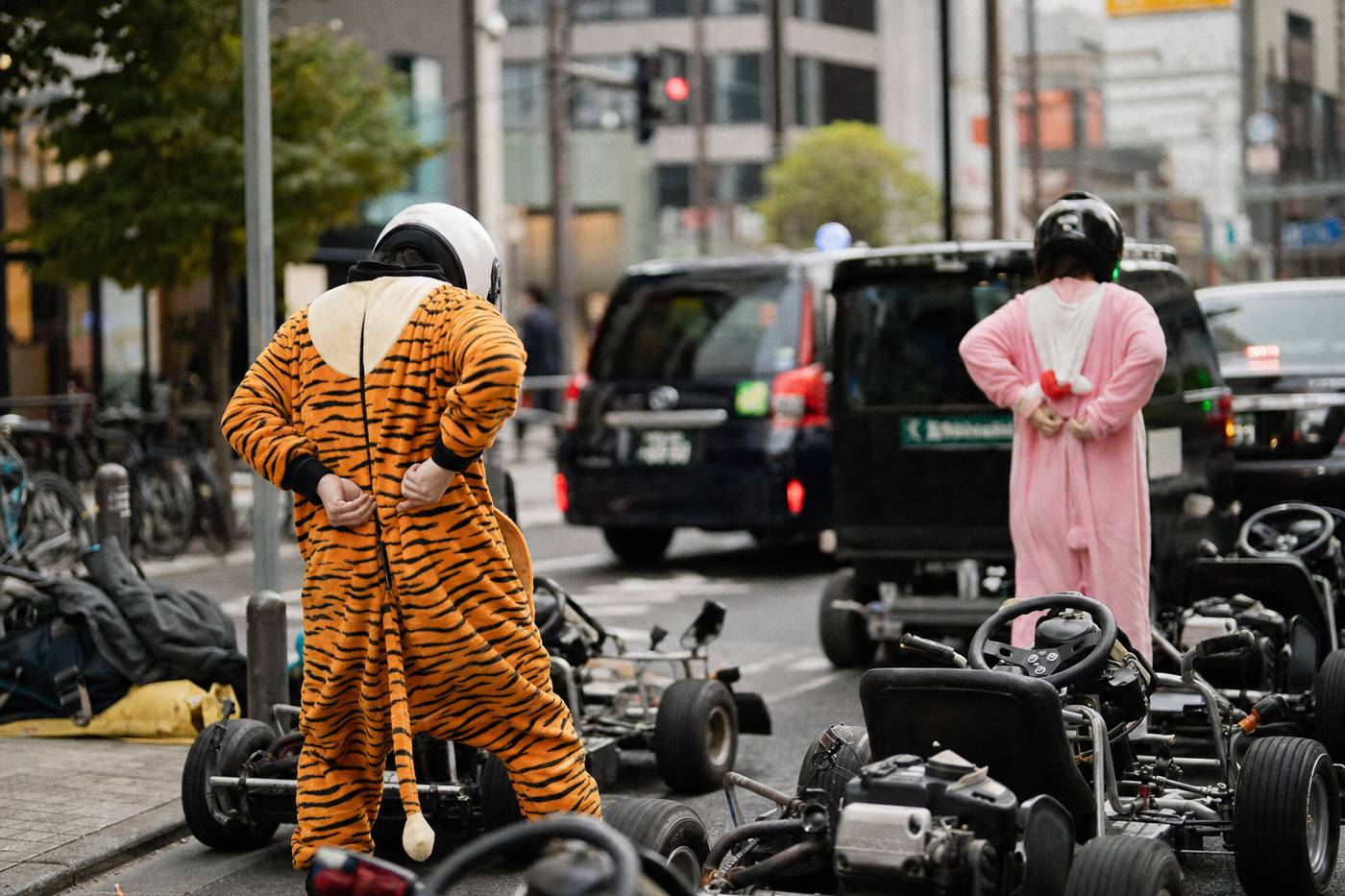
People worry about the wrong things before a go-kart tour. The costume is handed to you, the kart is waiting, and the weather you can read off your phone. The two things that actually decide whether you drive are your shoes and your documents. I have turned people away at the shop for getting both wrong, so here is how to get them right. If you are still choosing between operators, our Tokyo go-kart tours and the compare guide cover that side; this post is purely about what to wear and bring.
What should you wear for a Tokyo go-kart tour?
Wear closed-toe shoes and clothes that cannot catch on anything. Trainers or sneakers are perfect; sandals, flip-flops, and heels will get you turned away. Skip long flowing skirts and loose scarves, and dress one layer warmer than you think in winter, because wind at speed is colder than the street.
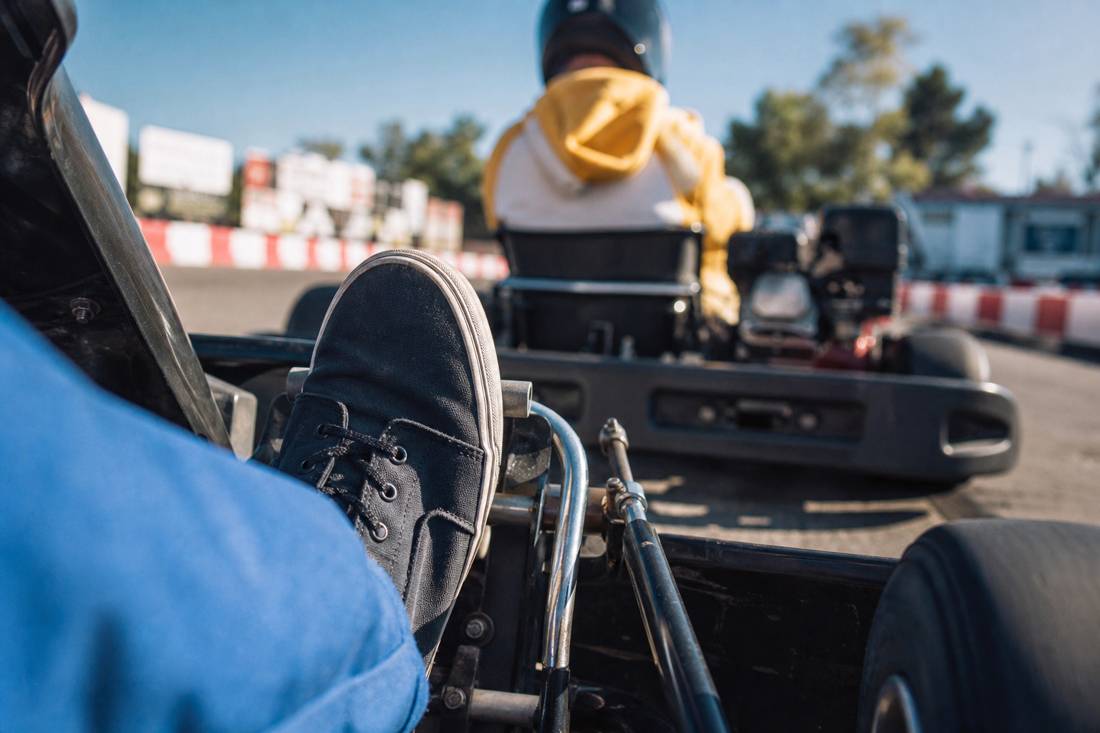
You will be in a low, open kart in live city traffic, so the dress code is about safety, not style. Closed-toe shoes are the one hard rule, and it is not negotiable at the desk. Anything that can flap into a wheel or a pedal is a problem, which rules out long hems, trailing scarves, and anything you would have to keep holding down.
What to wear by season:
| Season | Typical Tokyo temps | What to wear |
|---|---|---|
| Summer | 25°C to 30°C (77°F to 86°F) | Closed-toe shoes, nothing loose, light clothes you can move in |
| August | High around 30°C (86°F) | Closed-toe shoes, breathable layers, nothing that flaps |
| December | High around 12°C (54°F), low near 5°C (41°F) | Closed-toe shoes, an extra warm layer, more for evening slots |
Layer for the season and remember the costume goes on over your own clothes, so wear something you can move in. Even on a mild day, the wind pulls heat off you once you are moving, and my winter drivers who dressed for a walk around Shibuya regret it within ten minutes. One extra layer is the difference between grinning and gritting your teeth. If you are booking an evening slot, read day vs night in Tokyo first, because the temperature drop after dark is real and worth a second layer.
What do you need to bring?
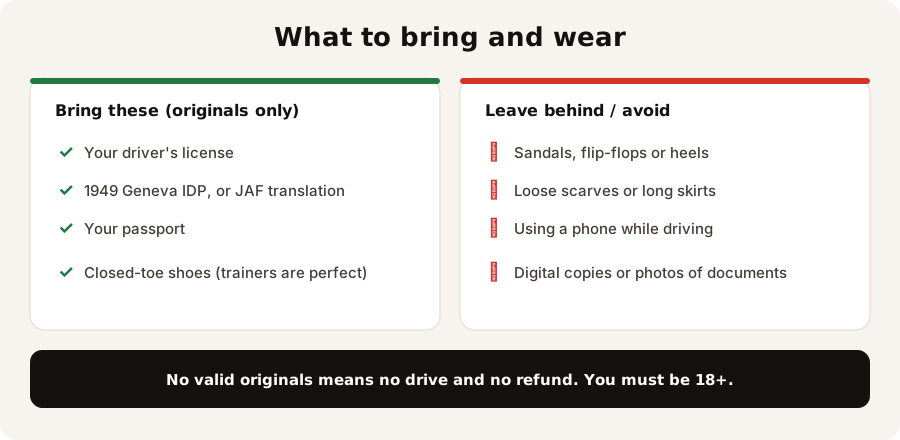
Bring three things, all as physical originals: your driver's license, an International Driving Permit (or an official Japanese translation if you are from one of six countries), and your passport. Photos on your phone do not count, and without the valid originals you cannot drive and cannot get a refund.
This is the part that catches people out, so pack it the night before rather than the morning of. You are driving on public roads, which means the law treats you like any driver: real documents, carried in person. The IDP must be the 1949 Geneva Convention version, and it has to come from your home country before you travel, because you cannot get one in Japan. The Japan Automobile Federation rules on driving in Japan spell out exactly which documents you must carry, and the Tokyo Metropolitan Police guide to international permits confirms which permits Japan accepts.
Bring vs leave behind:
| Bring | Leave at home |
|---|---|
| Driver's license (original) | Digital photos of your documents |
| IDP or official JAF translation | Loose scarves and long skirts |
| Passport (original) | Sandals, flip-flops, heels |
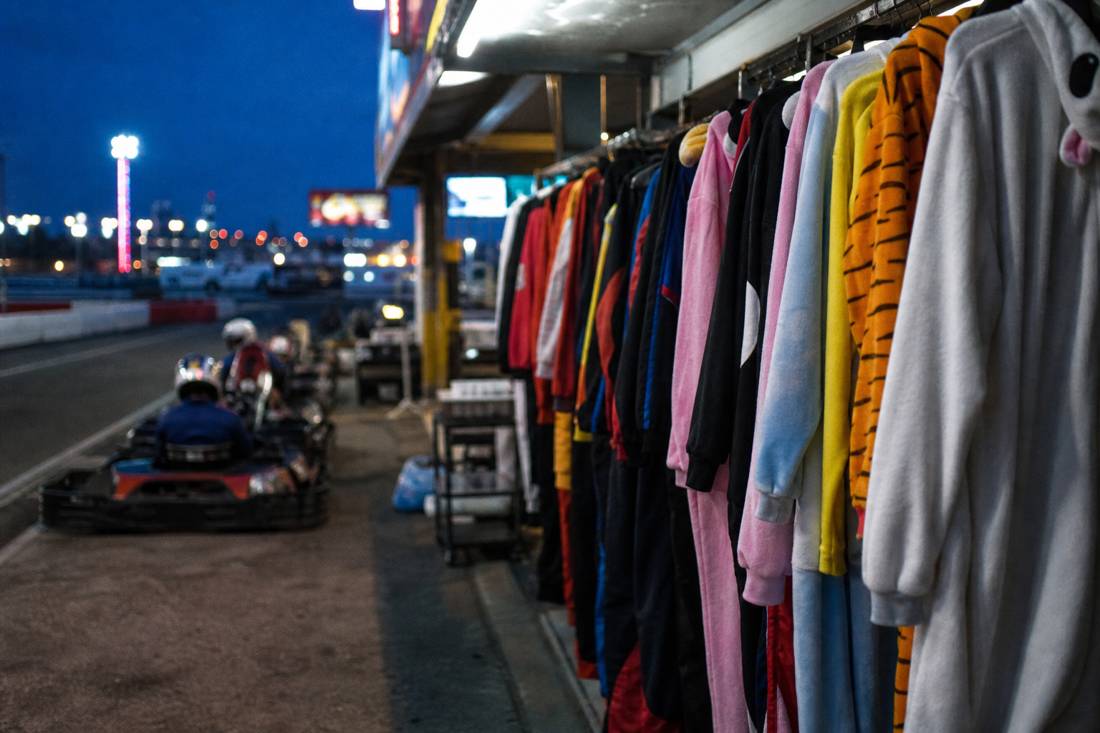
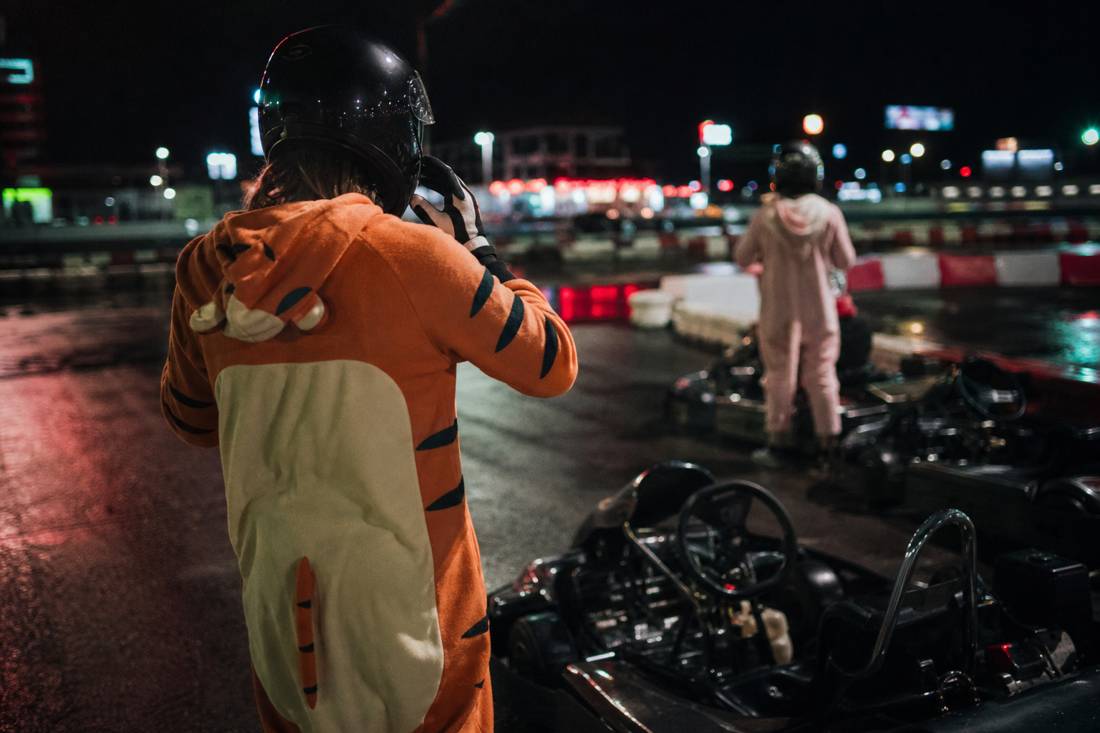
| Closed-toe shoes | A costume, helmet, or gear (provided at the shop) |
| Hands-free action camera | The urge to use your phone while driving |
The six exceptions are Switzerland, Germany, France, Belgium, Monaco, and Taiwan, whose drivers bring an official Japanese translation of their license instead. If any of that is unclear, read our Tokyo go-kart license guide before you book, since it is the one mistake that ends the day before it starts. For the full picture of who can drive, our Tokyo go-kart requirements post lays out the eligibility rules in one place.
Wear, bring, avoid
| Wear | Bring (originals) | Avoid |
|---|---|---|
| Closed-toe shoes | Driver's license | Sandals, flip-flops, heels |
| Layers in winter | IDP or JAF translation | Loose scarves, long skirts |
| Clothes you can move in | Passport | Using a phone while driving |
Closed-toe shoes and original documents are non-negotiable at the shop.
What should you leave alone?
Leave your phone in your pocket while driving, because using it at the wheel is illegal in Japan. The guide takes photos and sends them after, and if you want your own footage you bring a hands-free action camera. Everything else, including the costume, is provided at the shop.
The phone rule surprises people, but it is strict and sensible, and it shapes how you plan your photos. Most drivers rely on the guide's shots, which is genuinely the easy choice, since the guide knows the angles and you get a clean download afterwards. If you want first-person footage, a head-strap or chest-mount action camera is the only way to film legally while you drive.
Beyond that, travel light. You do not need to bring a costume, a helmet, or gear, since the shop provides all of it, and you will want your hands free and your pockets light. Sort the shoes and the paperwork, leave the rest to the operator, and the only thing left is the fun part. If it is your first time, the first-timer's guide to Tokyo go-karting walks you through the rest of the day.
Choose Your Tokyo Kart Experience
Initial editorial recommendation. Use the optional choices to find a closer fit; eligibility is confirmed by the operator.
Match The Experience To Your Plans
Tokyo Guided Electric Kart Tour: Take a 50-minute electric kart route through Shibuya, Harajuku and Omotesando with photo support. 50 minutes.
Official Street Go-Kart Tour - Akihabara: Follow a guided kart route through Akihabara, Ginza and Tokyo Station. 60–90 minutes, plus arrival 30 minutes early.
Tokyo Shibuya Crossing & Hidden Streets Walking Tour: Explore the crossing, Hachiko, Miyashita Park and hidden neighborhood streets on foot. 2 hours.
Yomiuriland Park Pass: Plan an off-road family park day with Yomiuriland’s family go-kart attraction. Park day, allow additional travel time.
Official Street Go-Kart in Shibuya
Have a travel date in mind? Drive Shibuya Crossing, Harajuku and Omotesando with a guide and photo support. Check your date before arranging the rest of your day.
60–90 minutes, plus arrival 30 minutes early · English
Meeting Point, Inclusions And Restrictions
We are on the street level with neon signs. Returns to meeting point
Includes: All taxes, fees and handling charges; Lead guide in a Kart; Costume Rental Fee; Kart Rental Fee; Fuel surcharge
Extras: Hotel pickup and drop-off; Food and drinks; Gratuities; Full Coverage Insurance Fee
Not recommended for travelers with spinal injuries; Not recommended for travelers with poor cardiovascular health; Not recommended for pregnant travelers; You MUST inform us if you have any level of hearing impairment or mobility impairment.
Adults 18+ only. Required original driving documents and operator approval of suitability apply. No passengers. Public-road driving is not a race or a risk-free activity.