2026-06-22
Is Tokyo Go-Karting Safe? How Dangerous It Really Is
An honest look at how safe Tokyo street go-karting actually is: the real risks, why some locals object, what makes a guided tour safer, and who should pick a different activity.
 By Mia Nakamura, licensed Tokyo guide since 2022
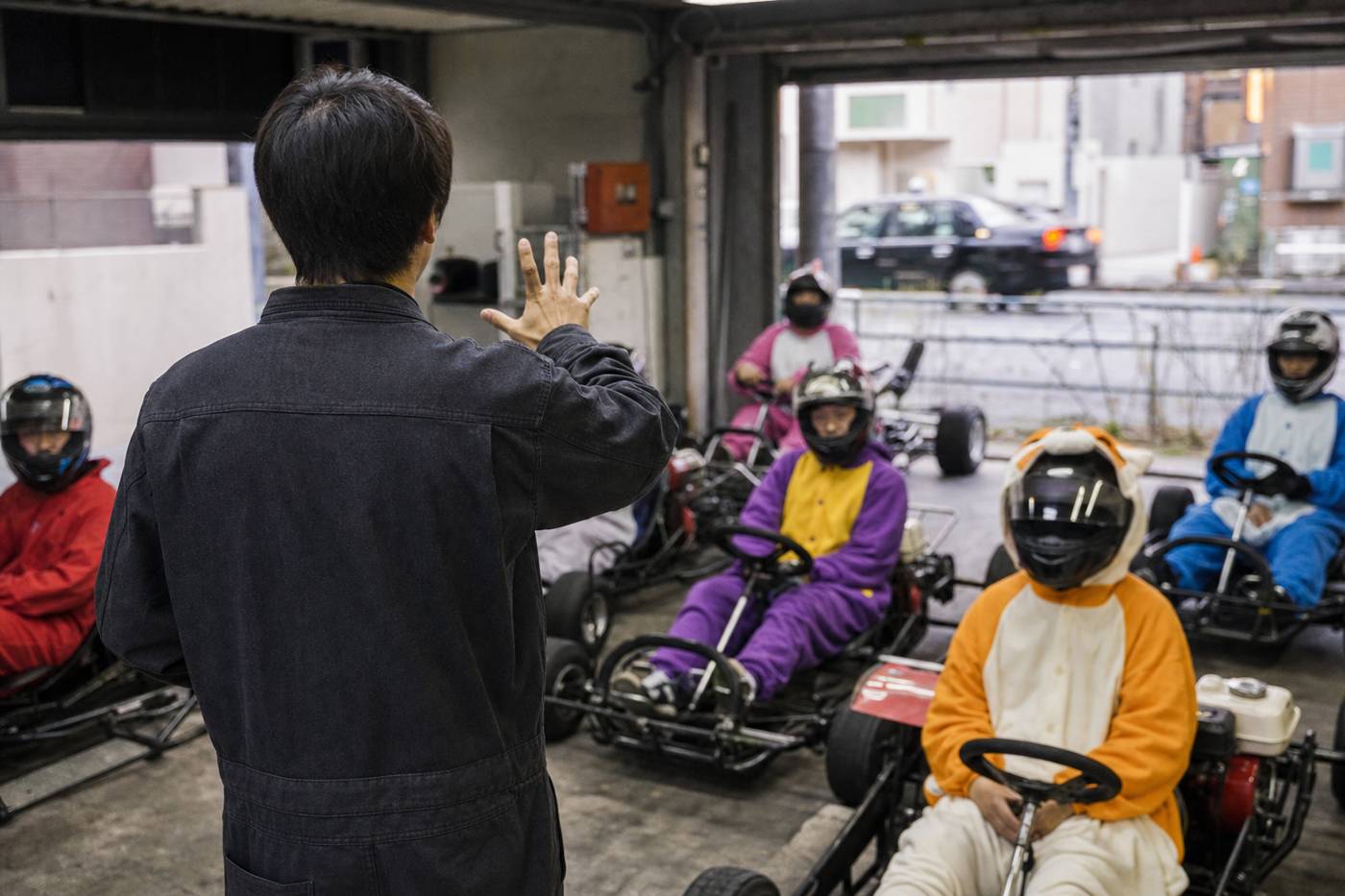
This is the question I respect most, because the honest answer is not a simple "totally safe, book now." I guide these tours, and I also want you to make the call with clear eyes. Tokyo street go-karting carries real risk, it has genuine critics, and it is also, done right, an experience thousands of people finish with a grin and no incident. Here is the unvarnished version.
Is Tokyo go-karting safe?
For most healthy adults on a licensed, guided tour with a proper briefing, yes, it is reasonably safe, but it is not risk-free. You are driving a small vehicle in live city traffic, so the safety depends heavily on the operator, the guide, and you following the rules. It is safer than its reputation suggests, and riskier than a theme-park ride.
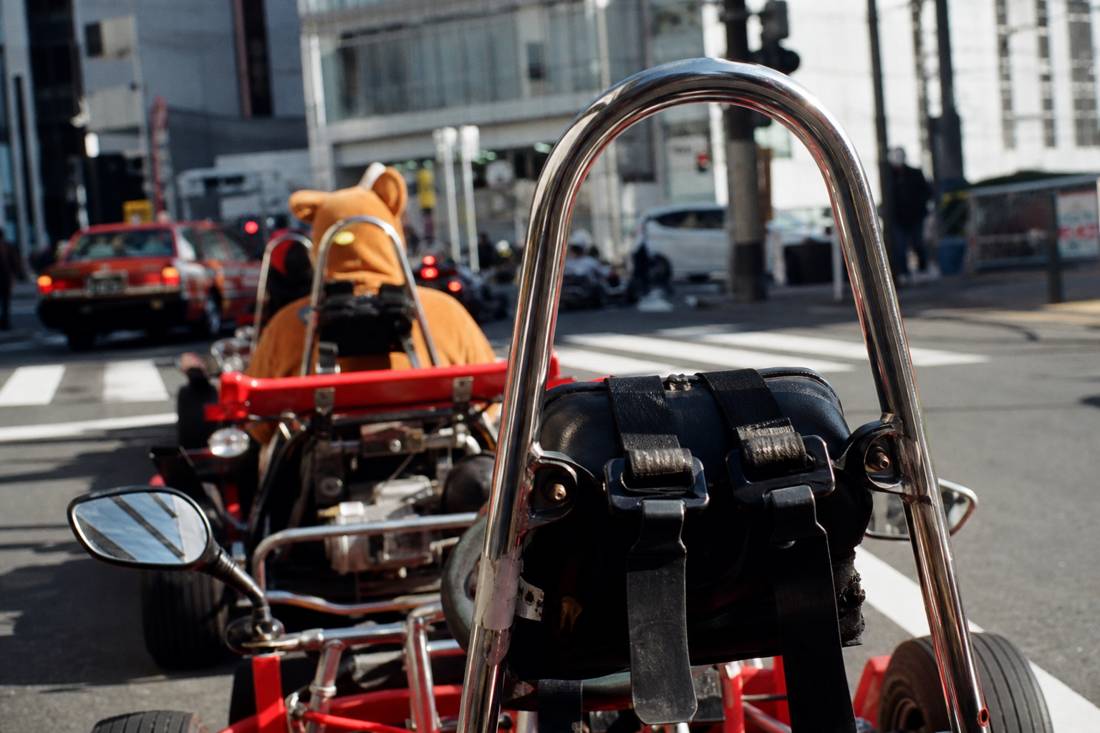
The single biggest factor is who you book with. A licensed, street-legal operator runs inspected karts, a safety briefing, and a guide who sets the pace and the route. That structure is what keeps the risk low. The horror stories almost always involve corner-cutting: an unbriefed rider, a poorly maintained kart, or someone treating public roads like a race.
So "is it safe" is really "is this operator safe, and will I drive sensibly." Get both right and the odds are firmly in your favour. Get either wrong and you are gambling in traffic, which is the part the glossy reels never mention.
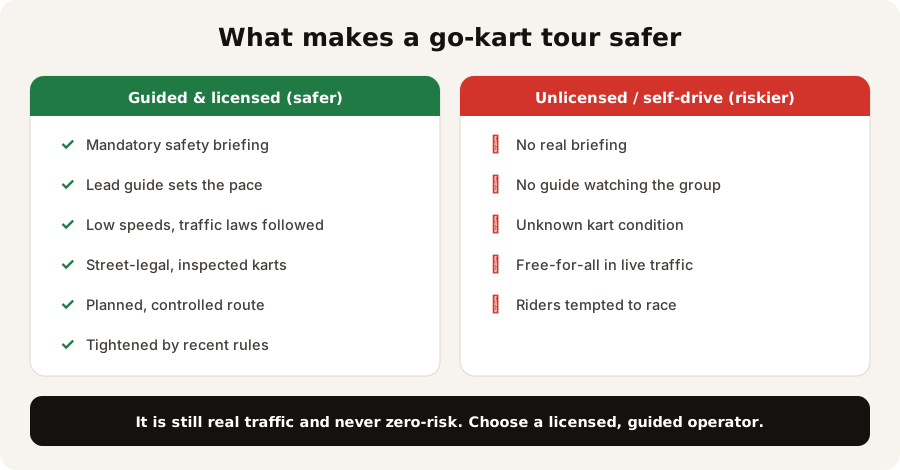
Guided & licensed vs a rogue rental
| Guided, licensed tour | Unlicensed / self-drive | |
|---|---|---|
| Safety briefing | Yes, mandatory | No |
| Guide sets the pace | Yes | No |
| Kart condition | Street-legal, inspected | Unknown |
| In traffic | Controlled convoy | Free-for-all |
| Risk level | Managed, low | Higher |
It is still real traffic and never zero-risk; this is about stacking the odds in your favour.
How dangerous is it, really?
The real risks are live traffic, the low height of the karts, and the occasional breakdown, not high speed. These are slow vehicles. Serious injuries on guided tours are uncommon but not impossible, and the honest picture includes mechanical hiccups, the odd reckless driver, and a city that is still debating the activity.
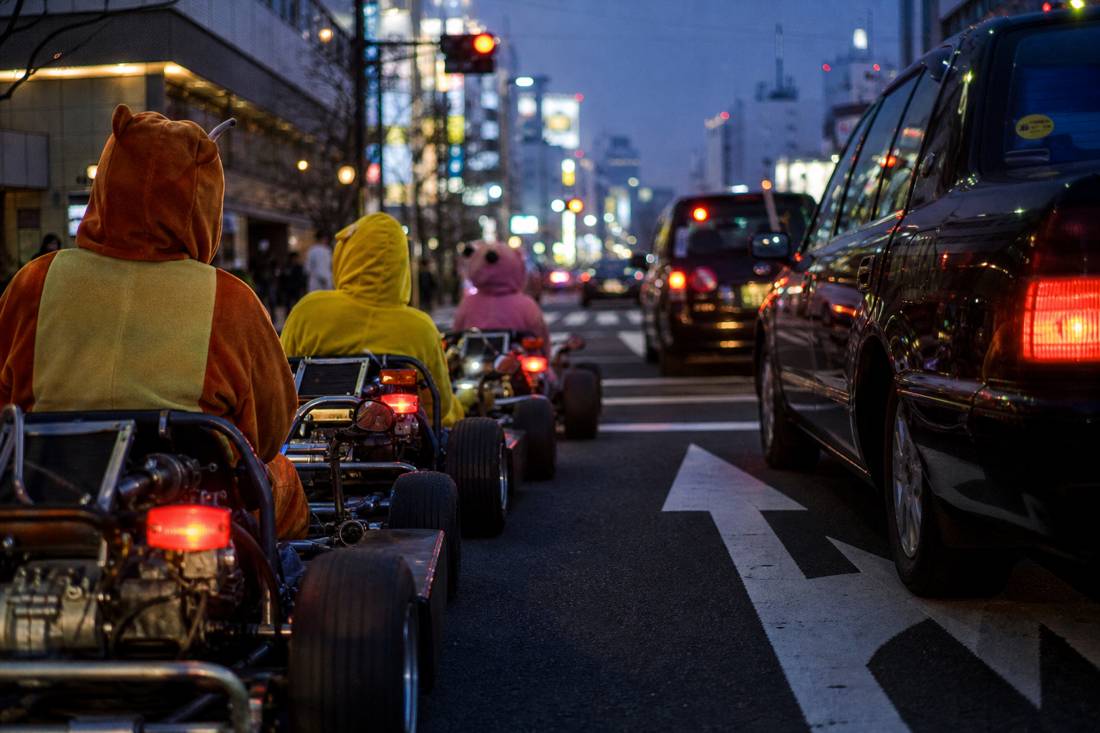
Be wary of scary numbers online. The widely shared go-kart death and injury statistics, like the U.S. Consumer Product Safety Commission's, generally refer to off-highway recreational karts and racing worldwide, mostly involving children, not guided street tours in Tokyo, so they are not a fair measure of this specific experience. What is fair to say is that you are mixing with taxis, trucks, and buses while sitting low and visible, which is a genuine hazard you should take seriously.
It is also honest to admit the activity has real critics. Many locals find the convoys irritating or unsafe, there have been complaints about karts breaking down mid-route, and Tokyo authorities have moved to tighten the rules, which an NHK report framed as a "go-kart dilemma". That pressure has actually pushed operators toward better safety, but it tells you the concern is not imaginary.
The same figures laid out side by side, so you can see what actually happens on Tokyo streets.
| Measure | Figure | Period |
|---|---|---|
| Injury traffic accidents involving go-karts | 6 | 2024 (vs 0 in 2023) |
| Personal injury accidents (all minor) | 7 | Jan–Aug 2024 |
| Emergency calls about dangerous go-kart driving | 134 | Jan–Aug 2024 |
| Property damage accidents | 18 | Jan–Aug 2024 |
| Property damage accidents (full year) | 36 (tripled) | 2024 |
| Property damage accidents | 14 | by May 2025 |
What makes a guided tour safer than you would think?
A licensed guided tour stacks the deck in your favour: a mandatory safety briefing, low speeds, strict traffic-law compliance, a lead guide controlling the convoy's pace and line, street-legal inspected karts, and the recent regulatory tightening. Together these turn an intimidating idea into a managed one.
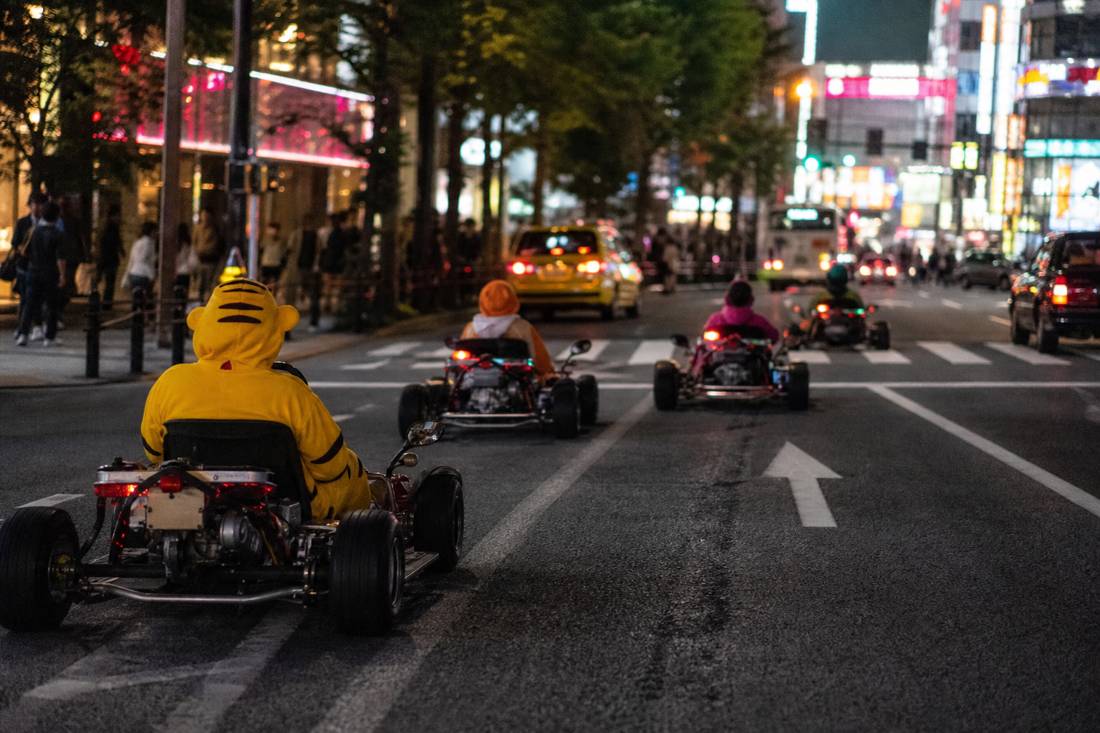
The briefing matters more than people expect. Before you move, you learn the controls, the hand signals, and the rules, and nobody rolls out until the guide is satisfied. On the road, you are not free-driving; you follow the guide, who picks safe gaps, calm streets, and a steady pace, and who can pull the group over if something is wrong.
The karts themselves are road-legal vehicles that must meet Japanese requirements, and reputable operators say their safety standards exceed the police minimum. None of that removes risk, but it is the difference between a structured activity and a free-for-all, and it is exactly why I steer people away from anything that is not licensed and guided, and toward proper tours like the Akihabara Go-Karting Experience or the quieter guided electric kart tour.
Who should think twice, or pick something else?
Skip it if dense traffic genuinely frightens you, if you want zero risk, or if you are booking for a child, since you must be at least 18 to drive. Anyone in those groups is better served by an indoor go-kart track, which is faster, weather-proof, and fully off the public roads.
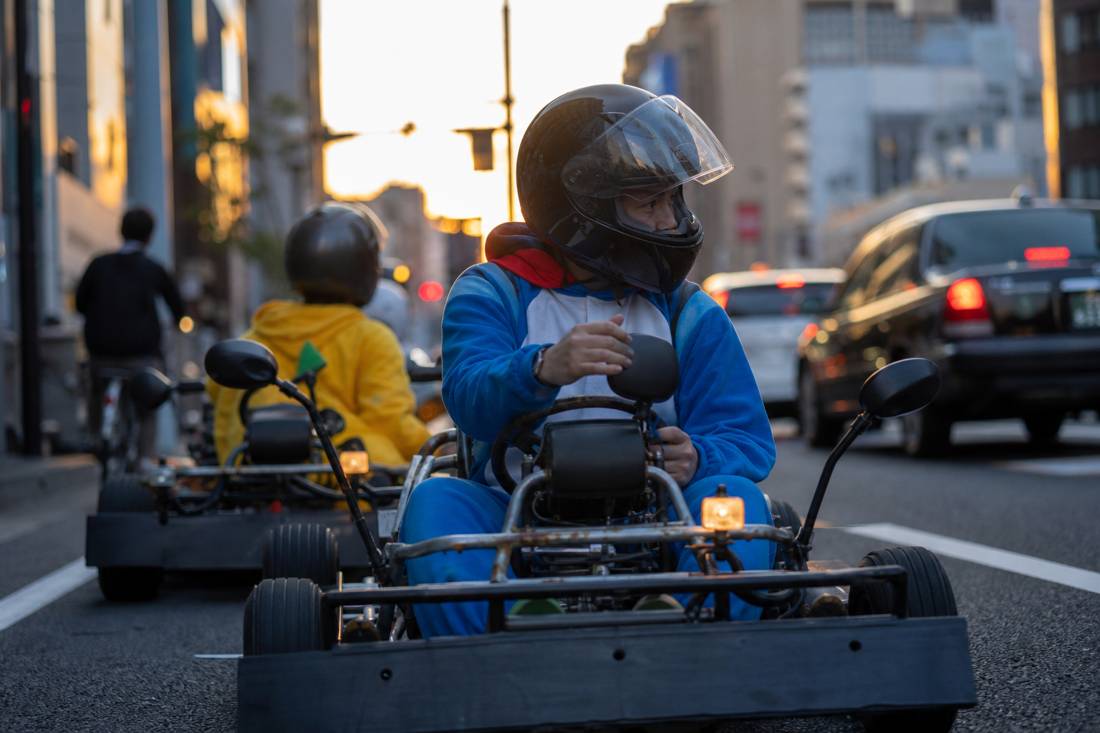
There is no shame in deciding this is not for you. If the idea of a truck passing close while you sit low tightens your chest, that stress will not melt away once you are driving, and a nervous driver in traffic is exactly the risk you want to avoid. For families, the 18-plus rule settles it: kids cannot drive these street karts at all.
The honest alternative is an indoor karting circuit. It is professional, controlled, often quicker, and open to younger drivers, and it gives you the racing thrill without the city-traffic variable. If your goal is speed and safety rather than sightseeing, that is the better pick, and I would rather tell you so than sell you the wrong thing.
How do you stay safe on the tour?
Follow the guide's pace and signals, wear closed-toe shoes, keep your phone away while driving, never ride after drinking, leave space to the kart ahead, and drive defensively rather than competitively. A guide and sensible driving cannot eliminate road risk.
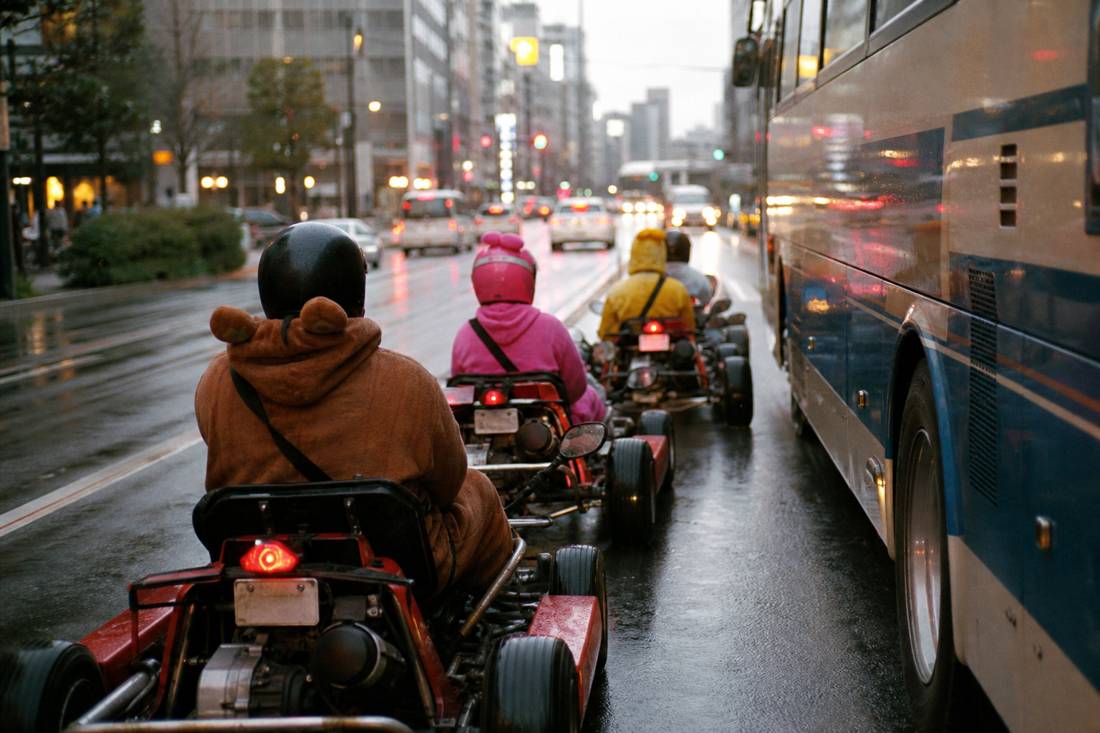
Your own behaviour is the variable you fully control. Stay in the convoy, resist the urge to chase or show off, and assume other road users have not seen you, because from a low kart that is often true. Closed-toe shoes are required for a reason, and nothing loose should be able to catch on the kart.
The phone rule is law, not suggestion: no using it while driving. Let the guide take the photos, or wear a hands-free action camera, and keep both hands for the wheel. Sober, calm, and spaced out from the kart in front, you remove most of the avoidable risk yourself.
A quick checklist of what to do and why each one counts.
| Do this | Why it matters |
|---|---|
| Follow the guide's pace and signals | The guide picks safe gaps, calm streets, and a steady pace |
| Wear closed-toe shoes | Required for a reason, and nothing loose can catch on the kart |
| Keep your phone away while driving | No phone use while driving is the law, not a suggestion |
| Never ride after drinking | Sober and calm removes most of the avoidable risk |
| Leave space to the kart ahead | Spacing gives you room to react in live traffic |
| Drive defensively, not competitively | The riders who get hurt are almost always the ones who treat it as a race |
| Assume other road users have not seen you | From a low kart, that is often true |
So, should you do it?
For a confident-enough adult, on a licensed and guided tour, who follows the briefing and drives sensibly, yes, it is a reasonable risk for a genuinely memorable experience. If you want zero risk, are nervous in traffic, or are booking for kids, choose an indoor track instead. The choice should be informed, not hyped.
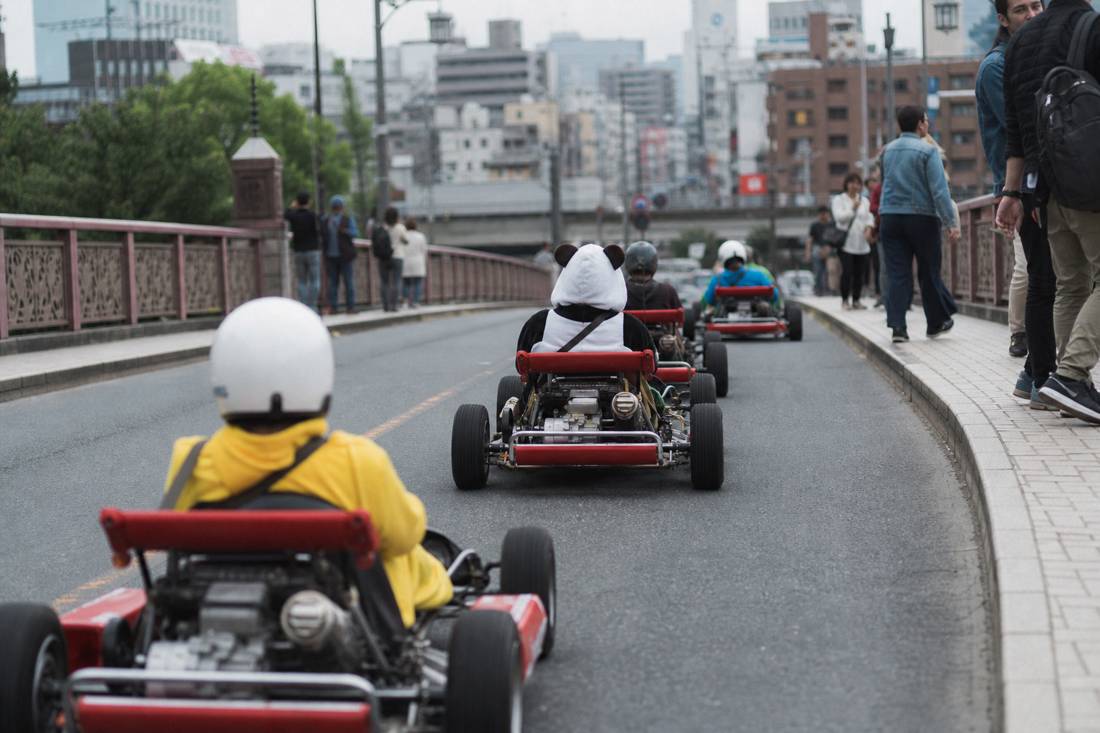
I will not pretend the criticism does not exist, because you deserve the real picture. But the version of this activity I guide, briefed, slow, led, and legal, is a world away from the rogue rentals the critics rightly worry about. If you go, go with a proper operator, and if you are still weighing it up, my honest take on whether it is worth it, the tour comparison, and the license guide will help you do it the safe way.
Choose Your Tokyo Kart Experience
Initial editorial recommendation. Use the optional choices to find a closer fit; eligibility is confirmed by the operator.
Match The Experience To Your Plans
Tokyo Guided Electric Kart Tour: Take a 50-minute electric kart route through Shibuya, Harajuku and Omotesando with photo support. 50 minutes.
Official Street Go-Kart Tour - Akihabara: Follow a guided kart route through Akihabara, Ginza and Tokyo Station. 60–90 minutes, plus arrival 30 minutes early.
Tokyo Shibuya Crossing & Hidden Streets Walking Tour: Explore the crossing, Hachiko, Miyashita Park and hidden neighborhood streets on foot. 2 hours.
Yomiuriland Park Pass: Plan an off-road family park day with Yomiuriland’s family go-kart attraction. Park day, allow additional travel time.
Official Street Go-Kart in Shibuya
Have a travel date in mind? Drive Shibuya Crossing, Harajuku and Omotesando with a guide and photo support. Check your date before arranging the rest of your day.
60–90 minutes, plus arrival 30 minutes early · English
Meeting Point, Inclusions And Restrictions
We are on the street level with neon signs. Returns to meeting point
Includes: All taxes, fees and handling charges; Lead guide in a Kart; Costume Rental Fee; Kart Rental Fee; Fuel surcharge
Extras: Hotel pickup and drop-off; Food and drinks; Gratuities; Full Coverage Insurance Fee
Not recommended for travelers with spinal injuries; Not recommended for travelers with poor cardiovascular health; Not recommended for pregnant travelers; You MUST inform us if you have any level of hearing impairment or mobility impairment.
Adults 18+ only. Required original driving documents and operator approval of suitability apply. No passengers. Public-road driving is not a race or a risk-free activity.