2026-06-22
How Much Does Tokyo Go-Karting Cost? A Full 2026 Price Breakdown
What a Tokyo street go-kart tour really costs in 2026: starting prices for each tour, what's included, the time-slot pricing that makes night runs pricier, and the hidden cost most people miss.
 By Mia Nakamura, licensed Tokyo guide since 2022
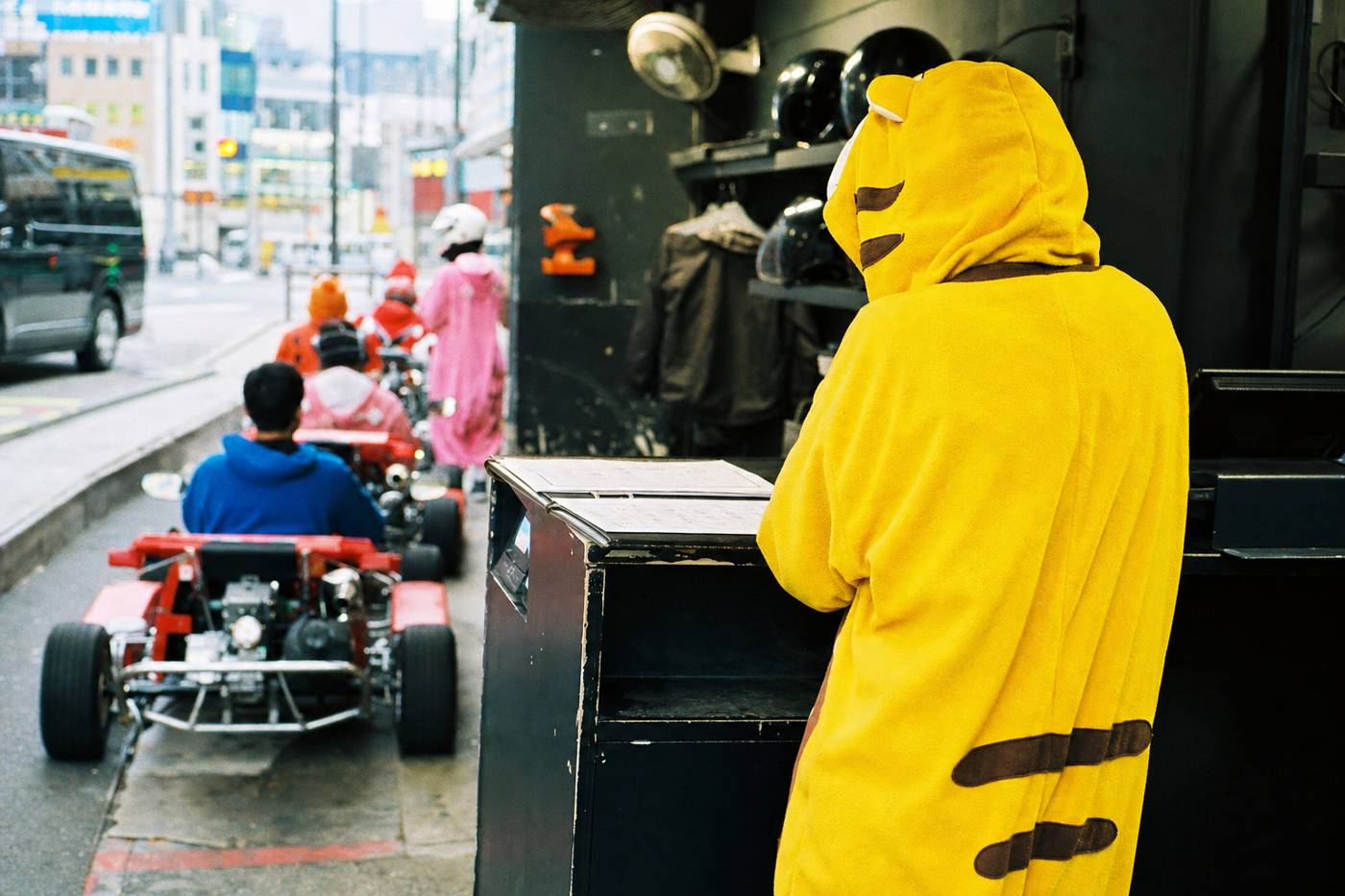
Pricing is the question right after "is it worth it," and it is messier than a single number, because the same tour can cost very different amounts depending on the time of day you book. I have watched people overpay simply by picking the wrong slot. Here is the honest breakdown, including the trick that saves the most money.
How much does a Tokyo go-kart tour cost?
A guided Tokyo street go-kart tour starts at around $70 for the electric kart, $75 for the Akihabara route, and $120 for the flagship Shibuya tour, each lasting about an hour. The price includes the kart, fuel or charge, a costume, a guide, and photos. You still need to budget separately for your International Driving Permit.
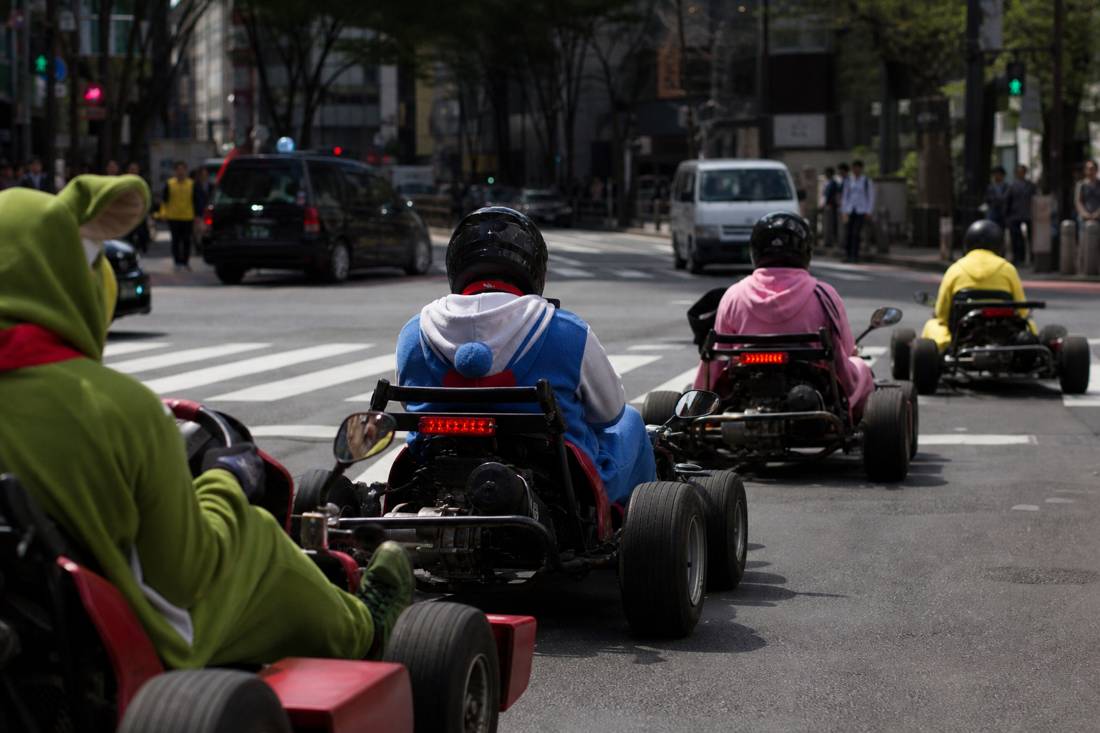
Those starting figures are the from-prices on the operators' GetYourGuide and Viator listings, verified in June 2026. They are the floor, not the ceiling, because the exact amount shifts with the time slot and how far ahead you book, which I will get to below.
Two tours run through GetYourGuide and one through Viator, so the booking experience and cancellation terms differ slightly between them. You can see all three on our tours hub. The driving experience is the same shape across all three: about an hour total, roughly forty minutes of actual driving once the briefing and costume change are done.
Price by tour
| Tour | From | Platform | In a line |
|---|---|---|---|
| Tokyo Electric Kart | $70 | Viator | Quietest, cheapest, easiest |
| Akihabara Go-Karting | $75 | GetYourGuide | Best value, anime neon |
| Shibuya Street Kart | $120 | GetYourGuide | Flagship, the Crossing |
Starting prices per driver from the operators' listings.
What's included in the price?
The price covers the kart and its fuel or charge, a costume of your choice, an English-speaking guide who leads the convoy, the photos the guide takes along the way, and the safety briefing. It does not cover your IDP, your own action camera, hotel pickup, or tips.
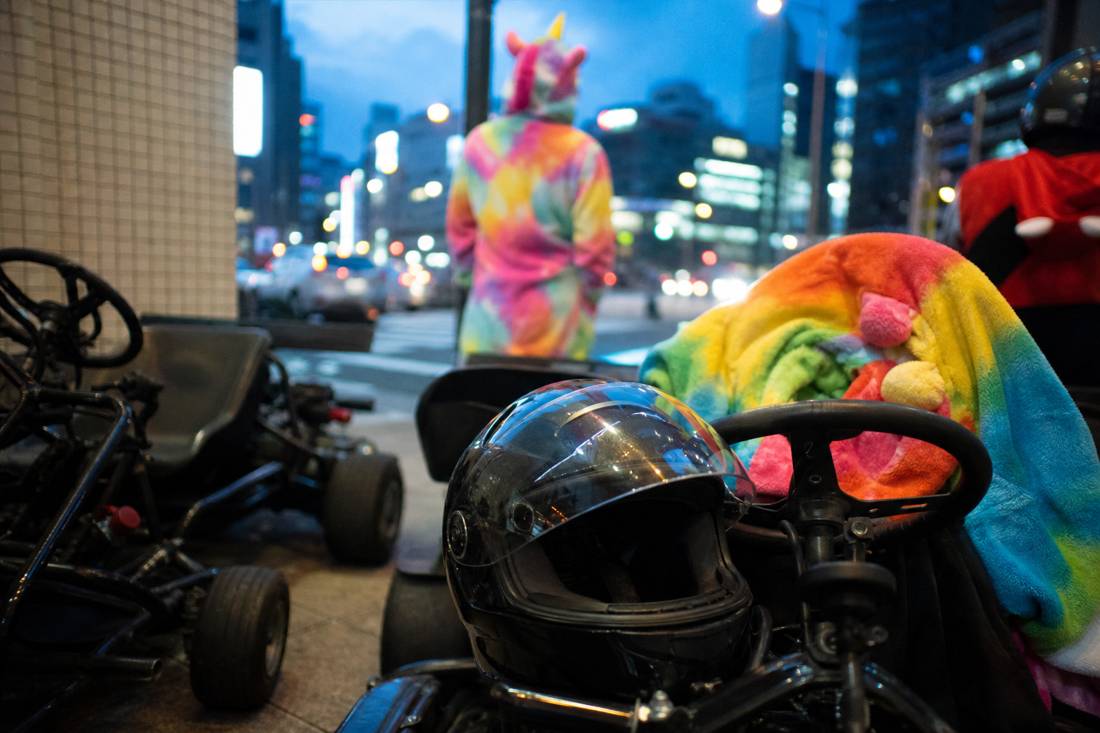
That bundle is genuinely most of what you need, which is why the tours feel reasonable for the hour. The guide's photos in particular are worth more than people expect, since you cannot use your own phone while driving, so without them you would leave with no shots of yourself at all.
What you pay for and what you handle yourself:
| In the price | On top |
|---|---|
| Kart and its fuel or charge | International Driving Permit |
| Costume of your choice | Your own action camera |
| English-speaking guide | Hotel pickup (there is none) |
| Guide's photos along the way | Tips |
| Safety briefing |
The gaps matter for your budget, though. The International Driving Permit is a separate cost you pay at home. If you want first-person footage you will either rent or bring a hands-free action camera. And there is no hotel pickup, so factor in getting yourself to the shop, which is easy by train in central Tokyo.
Why do the tours cost different amounts?
The Shibuya tour costs more because it drives the famous Shibuya Crossing and is the most-reviewed flagship, so it commands a premium. Akihabara and the electric kart are cheaper because they offer different operators, districts or vehicle types; the electric route also includes Shibuya Crossing. Time of day also shifts the price.
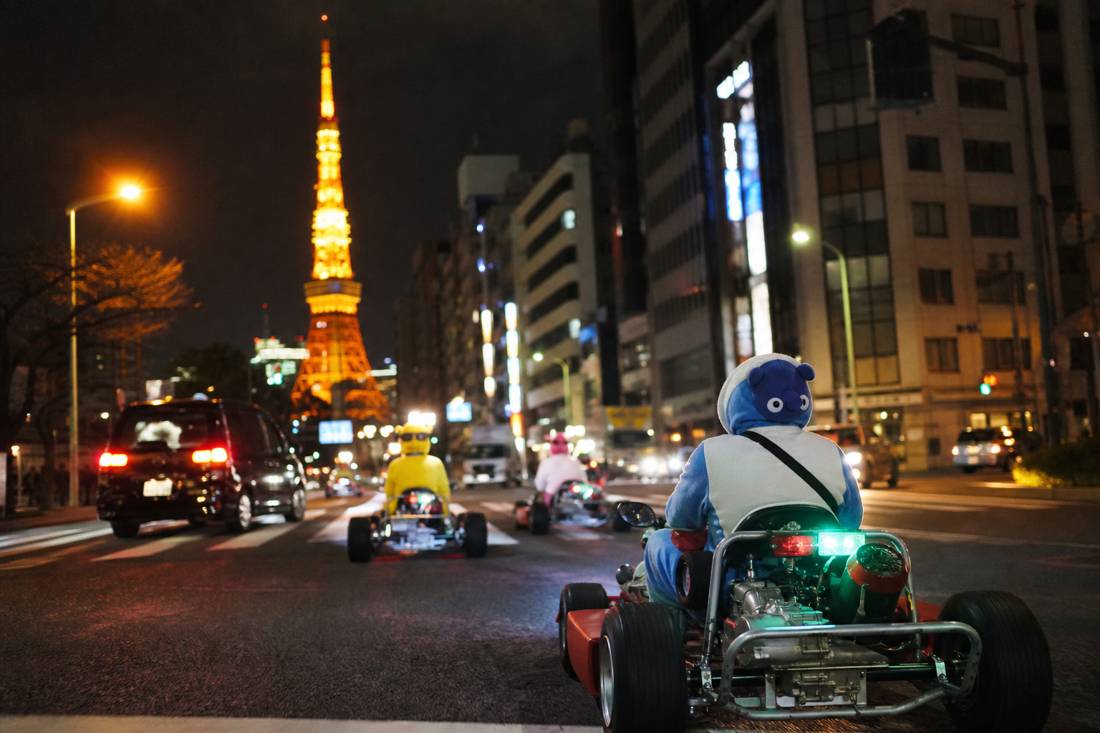
You are partly paying for the postcard. The Shibuya Crossing run is the shot everyone wants, and that demand is reflected in the $120 starting price against $75 for Akihabara and $70 for the electric kart. None of them is a bad deal; they are aimed at different travelers.
The bigger swing is the time slot. The operator's own listed prices for a Tokyo run range from about 12,000 yen for an early-booking daytime slot up to roughly 25,000 yen at standard rate, with evening slots sitting near the top. Night runs look the best in photos, so they cost the most, which I break down in day vs night Tokyo go-karting.
Price by time of day:
| Slot | Typical price | Notes |
|---|---|---|
| Early-booking daytime | About 12,000 yen | Cheapest, books out first |
| Standard rate | Up to roughly 25,000 yen | The ceiling for a Tokyo run |
| Evening | Near the top | Best photos, so the most expensive |
Are there extra or hidden costs?
The main extra is the International Driving Permit, bought in your home country, usually cheap and often same-day. Drivers from six countries pay about 6,000 yen for a JAF Japanese translation instead. Optional extras are camera rental and tips. The costly mistake is arriving without valid documents, since there is no refund.
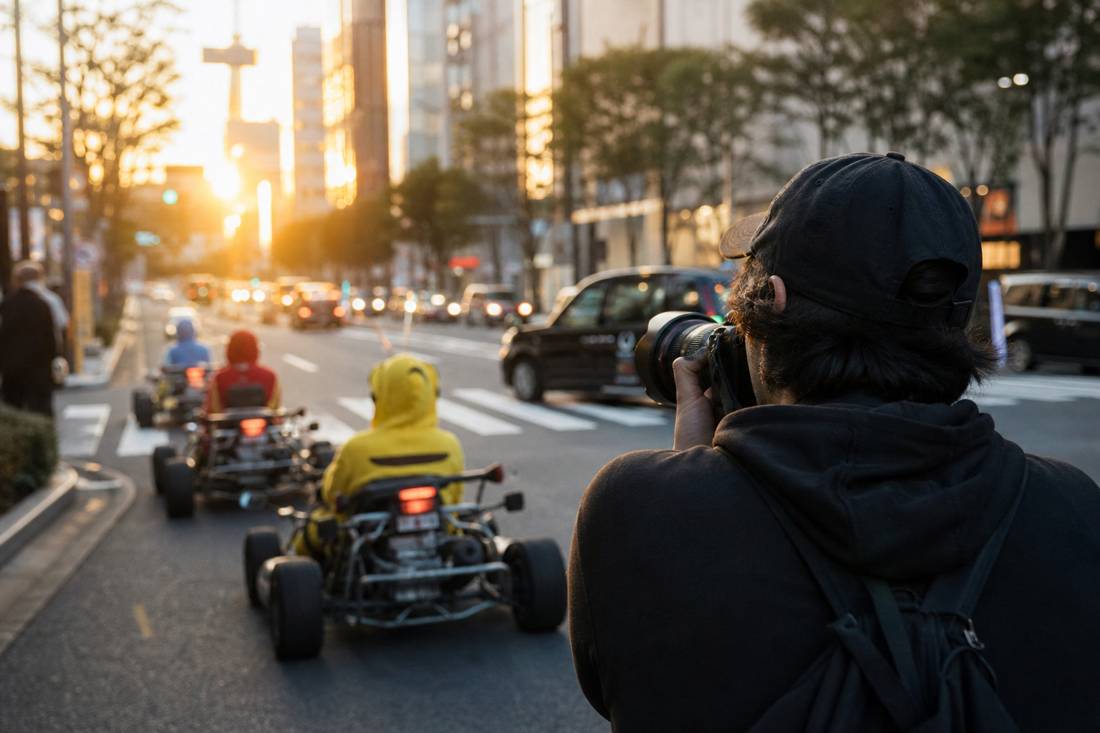
The International Driving Permit itself is rarely expensive, but it is not optional, and the JAF translation route for Switzerland, Germany, France, Belgium, Monaco, and Taiwan costs 6,000 yen as of April 2026. If you are unsure which document you need, our license and IDP guide walks through it. Build that into your budget rather than treating it as a surprise.
The true hidden cost is the one that hurts most: turn up without your license, IDP, and passport as originals, and you lose both the drive and the money, with no refund. It is the most expensive way to get the price wrong. Our license guide lays out exactly what to bring, and the full requirements rundown covers who can drive, so it does not happen.
How do you get the best value?
Book an early or daytime slot rather than a premium evening run, choose the Akihabara or electric tour after comparing the actual route and date-specific quote, and reserve well ahead so the cheaper slots are still available. Those three choices, in that order, cut the most off the price.
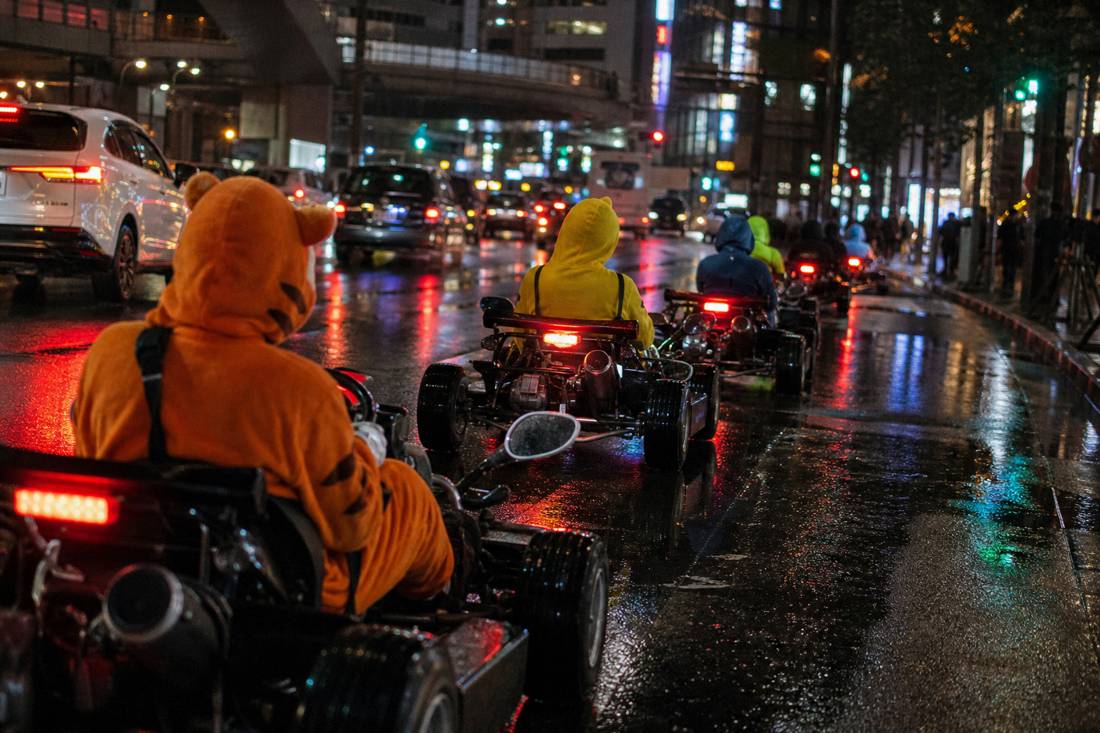
Daytime and early-booking slots are markedly cheaper than the 7pm runs, so if budget matters more than night photos, that single choice saves the most. If you are flexible on route, the Akihabara and electric tours deliver the same core experience for less.
Booking ahead helps twice over: the cheaper slots sell first, and in peak seasons the only thing left at the last minute is the expensive evening run, if anything is left at all. Compare the three side by side in our tour comparison to find the cheapest one that still gives you the experience you actually want.
Is it worth the price?
For the right traveler, yes. At $70 to $120 for a memorable hour driving real Tokyo streets in costume, it is reasonable for what it is, and the 4.9 to 5 star ratings reflect that. It is poor value only if you book the wrong slot for your budget or get turned away for missing documents.
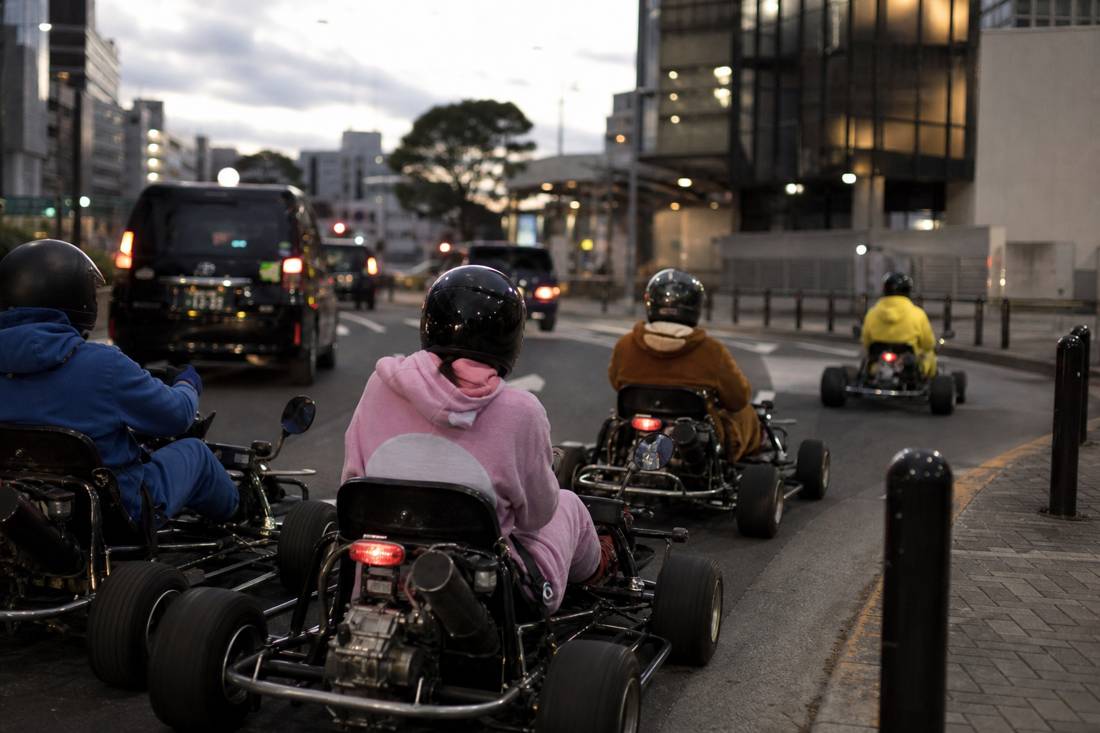
Price and worth are different questions, and I tackled the second one in full in is Tokyo go-karting worth it. The short version: get your documents sorted, pick the slot that fits your budget, and the cost lands as fair for one of the more memorable hours you will spend in the city.
Choose Your Tokyo Kart Experience
Initial editorial recommendation. Use the optional choices to find a closer fit; eligibility is confirmed by the operator.
Match The Experience To Your Plans
Official Street Go-Kart in Shibuya: Drive Shibuya Crossing, Harajuku and Omotesando with a guide and photo support. 60–90 minutes, plus arrival 30 minutes early.
Official Street Go-Kart Tour - Akihabara: Follow a guided kart route through Akihabara, Ginza and Tokyo Station. 60–90 minutes, plus arrival 30 minutes early.
Tokyo Shibuya Crossing & Hidden Streets Walking Tour: Explore the crossing, Hachiko, Miyashita Park and hidden neighborhood streets on foot. 2 hours.
Yomiuriland Park Pass: Plan an off-road family park day with Yomiuriland’s family go-kart attraction. Park day, allow additional travel time.
Tokyo Guided Electric Kart Tour
Have a travel date in mind? Take a 50-minute electric kart route through Shibuya, Harajuku and Omotesando with photo support. Check your date before arranging the rest of your day.
50 minutes · English
Meeting Point, Inclusions And Restrictions
Meeting Point Tokyo Z is located on the 1st floor of Shoko Building in Sakuragaokacho, Shibuya. It is a 5-minute walk from Shibuya Station (West Exit). Look for the “Tokyo Z” sign at the entrance. Returns to meeting point
Includes: Private transportation; Admission fee; Kart damage insurance
Extras: Go-Pro; Insta 360°; SD card
Not recommended for pregnant travelers
Adults 18+ only. Required original driving documents and operator approval of suitability apply. No passengers. Public-road driving is not a race or a risk-free activity.